
Things to Do in Ankara in February
February weather, activities, events & insider tips
Low Season · Budget Friendly
February Weather in Ankara
Long-run averages for February
45°F (7°C)
High Temp
29°F (-1°C)
Low Temp
1.4 inches (36 mm)
Rainfall
69%
Humidity
7
Rainy Days
3
Sunny-Day UV
⚠ Black ice forms on the cobblestone approaches to Ankara Kalesi and in shaded alleys of the Ulus quarter, before 10 AM when overnight frost has not yet melted. Rubber-soled boots with aggressive tread are essential, not optional, the same ice catches locals off guard every winter. Locals slip. You will too.
⚠ Wind chill on the Anatolian plateau can push the effective temperature 5-8°C (9-14°F) below the thermometer reading, around the exposed ceremonial esplanade at Anitkabir and the citadel's outer ramparts. Dress for -5°C (23°F) even when the forecast says 0°C (32°F). Feels colder. Much colder.
⚠ Sudden snowfall can disrupt intercity road travel, on the Ankara-to-Cappadocia route through Aksaray province and the Ankara-to-Hattusa road through Corum. Check road conditions the morning of any day trip and confirm your operator's cancellation or rescheduling policy before committing. Snow locks roads. Confirm first.
Making the most of February in Ankara? Browse tours and activities in Ankara on GetYourGuide.
Is February Right for You?
Weigh the advantages and considerations before booking
Advantages
- + February empties Ankara's excellent museums. The Museum of Anatolian Civilizations, 10,000 years of Hittite, Phrygian, and Neolithic artifacts, feels like a private gallery without summer tour groups. Stand centimeters from gold Hittite sun discs and Catalhoyuk mother-goddess figurines. No one nudges you aside.
- + Winter pricing drops Ankara to one of Europe's most affordable capital-city experiences. Domestic flights from Istanbul to Esenboga land for a fraction of summer fares. Accommodation in Kizilay and Kavaklidere neighborhoods runs well below equivalent Istanbul or Antalya rooms. Any time of year, the savings are stark.
- + February is peak season for Anatolian comfort food. Ankara's lokantasi deliver it better than anywhere else in Turkey. Steaming bowls of tarhana soup, a fermented grain broth with a sour tang, arrive at tables. Ankara tava sizzles in copper pans. Cold weather and hot food pair well here.
- + A dusting of snow transforms the Byzantine walls of Ankara Kalesi. Ottoman timber houses in the old quarter turn starkly photogenic. Rooflines and ramparts gain almost Nordic drama against gray winter skies. Dry winter air gives 50 km (31 miles) visibility from the citadel summit to snow-covered ridgelines.
Considerations
- − The cold is genuine and relentless. Ankara sits at 900 m (2,950 ft) on the Central Anatolian steppe. February nights drop to -1°C (29°F) with wind chill pushing lower. This is not Mediterranean Turkey. Travelers in light jackets from Istanbul or Antalya are easy to spot and pity.
- − Daylight compresses to ten and a half hours. Sun sets around 5:45 PM. Your window for outdoor sightseeing shrinks. Photography at exposed Anitkabir esplanade or Hattusa ruins becomes urgent. Golden hour disappears fast. Plan outdoor priorities for morning. Save indoor attractions for late afternoon.
- − Day trips to Cappadocia and Hattusa carry real weather risk. Snowfall can close mountain passes. The 3.5-hour drive to Goreme may crawl. Some February days, the trip simply does not happen. Book only with operators who offer flexible rescheduling or weather-contingency refunds.
Settled on February? Compare hotel prices in Ankara for your dates on Trip.com.
Best Activities in February
Top things to do during your visit
The Turkish capital sits on the Anatolian steppe at roughly nine hundred meters above sea level, and by midwinter that altitude makes itself known. Mornings drop below freezing. Frost crusts the edges of Gençlik Park's lake. The air tastes of wood smoke drifting from the old neighborhoods stacked up around the citadel. Highs hover around seven degrees, and on clear days the low winter sun throws long amber light across the city's signature pale stone. Snow is possible. Sometimes just a dusting turns the Haci Bayram mosque courtyard into something from an Ottoman miniature painting. Other times a proper fall blankets the Atatürk Forest Farm and muffles the usual traffic roar along Atatürk Boulevard. Rain arrives on roughly ten days of the month, rarely heavy but persistent enough that a proper waterproof layer earns its place in your bag. Most travelers fixate on Istanbul or skip straight to Cappadocia. What makes Ankara worth visiting in winter is the unhurried access it gives to some of Turkey's finest museums and archaeological sites. The Museum of Anatolian Civilizations, housed in a restored fifteenth-century bedesten near the citadel, is never mobbed in February the way it is from May onward. The parliamentary district around Kızılay hums with the energy of a working capital. Civil servants crowd the lokantas at lunch. Tea glasses clink in the smoke-free warmth of corner çay bahçesis. The evening promenade along Tunalı Hilmi Caddesi continues even in the cold, shoppers ducking into bookstores and patisseries that smell of warm simit and künefe. Ankara's food scene rewards the curious. This is the city that perfected Ankara tava, a clay-pot lamb dish scented with tomato and green pepper, and February is exactly the right season for it. Restaurants in the Hamamönü restoration district serve it alongside thick lentil soup, the kind of warming meal you want after an afternoon walking the citadel walls with the wind at your back. Nightlife concentrates in the Kavaklıdere and Çankaya neighborhoods, where wine bars and live-music venues stay lively year-round, unaffected by the tourist calendar that governs coastal cities. Safety is straightforward. Ankara is a modern European-style capital, well-policed and well-lit, and the usual urban awareness that applies to any large city is sufficient here.

Ankara: Private Walking Tour With A Guide ( Private Tour )
walking_tourYour guide leads you through the tangled lanes inside the citadel walls, where Ottoman-era timber houses lean into each other overhead and cats sleep in doorways framed by carved stone. You descend through Hamamönü, the restored hammam quarter where the scent of fresh-ground Turkish coffee drifts from courtyard cafés, and continue past the Column of Julian and the ruins of the Temple of Augustus, where a Latin inscription records the deeds of the Roman emperor in letters still sharp after two millennia.
Walking Ankara with someone who knows its back alleys reveals a capital whose Roman, Byzantine, and Ottoman strata are compressed into a single hillside, legible in a single afternoon.
Insider tip: Ask your guide to route through the Çengelhan Rahmi Koç Museum courtyard, a converted caravanserai just below the citadel gate. Most group itineraries skip it, and the industrial-history collection inside is unexpectedly absorbing.
This month: February cold keeps the citadel lanes nearly empty. You can photograph the panoramic views from Ak Kale without waiting for other groups to clear the ramparts.

Turkish Cuisine Cooking Class at Local Home with Family
foodYou stand at a counter beside your host, shaping mantı, the tiny lamb-filled dumplings that are Ankara's signature dish, while the grandmother corrects your pinching technique with cheerful impatience. The kitchen smells of dried mint, sumac, and clarified butter bubbling in a copper saucepan. You prepare multiple courses, typically including a seasonal soup, a main like islim kebabı wrapped in fried eggplant slices, and a syrup-soaked dessert, then sit down with the family to eat everything together on mismatched porcelain.
Learning to cook mantı in the city that claims them as its own, taught by someone whose grandmother taught her, is a direct line into the culture that no restaurant meal can replicate.
Insider tip: Wear something you do not mind getting splattered. The garlic-yogurt sauce for the mantı is enthusiastically ladled, and it stains.
This month: Winter menus lean into heavier Anatolian comfort dishes. Expect thick red lentil soup, slow-braised lamb, and quince desserts that are less commonly offered in the summer sessions.

Private Ankara Sightseeing Tour
guided_experienceCovers ground that would take three days on foot: the monumental scale of Anıtkabir (Atatürk's mausoleum), the Museum of Anatolian Civilizations, the citadel, and often the Ethnography Museum and the CerModern contemporary art space in a converted railway depot. What elevates this beyond a standard city tour is the pacing. A private vehicle lets you linger at Anıtkabir's ceremonial courtyard, where the travertine pavement stretches toward a colonnade that echoes with the footsteps of visiting school groups, then move quickly past sites you find less compelling. The guide contextualizes Ankara not as Istanbul's lesser sibling but as the deliberate creation of a republic, a city redesigned in the 1920s by Austrian and German planners who imposed wide boulevards onto an ancient hilltop settlement.
Ankara's identity as a planned republican capital only makes sense when you see it whole, the contrast of Hittite bronze with Bauhaus-influenced ministry buildings, compressed into a single day.
Insider tip: Request a stop at the Erimtan Archaeology Museum, adjacent to the citadel. It opened in 2015 and most tour operators still default to the older Anatolian Civilizations museum next door, but Erimtan's Roman-glass collection and its modern exhibition design deserve an hour.
This month: Anıtkabir's open courtyard is exposed to wind in February. A hat and layered jacket are essential for the long walk from the Lion Road entrance to the mausoleum hall.

Full Day Cappadocia Private Tour
day_tripCovers roughly three hours of driving each way across the central Anatolian plateau, arriving in a landscape that looks nothing like anything you passed en route. The volcanic tuff formations, chimneys, cones, and eroded pillars in shades of ash-white and ochre, rise from valleys where the cold February air is still and silent, the only sound the crunch of frost underfoot. Your guide typically routes through Göreme Open Air Museum, where rock-cut Byzantine churches retain frescoes in faded cinnabar and lapis, then continues to Devrent Valley for the surreal "fairy chimney" formations and Avanos for a stop at a pottery workshop where the clay wheel spins using Kızılırmak river sediment, terra-cotta colored and cool to the touch.
Cappadocia in February, stripped of summer crowds and often dusted with snow that accentuates the geological contours, is the version of the landscape that photographers and geologists prefer.
Insider tip: Hot-air balloon flights in February are weather-dependent and cancel frequently. Do not build your day around one. The ground-level tour through the valleys is the reliable payoff, and the low winter light through the church frescoes in Göreme is richer than the flat summer glare.
This month: Snow occasionally closes minor valley paths in Cappadocia. Your driver will reroute. But wear waterproof boots with grip. The tuff turns slick when wet.

Private Airport Transfer From/To Ankara Airport to Cankaya Hotels
transportEliminates the one tedious friction point of visiting Ankara. The airport sits roughly thirty kilometers north of the city center, connected by a highway that is straightforward in a private car but confusing by public transit, after a late arrival. Your driver meets you at the terminal with a name sign, handles luggage, and delivers you to your hotel door, or reverses the process for departures. The ride takes thirty to forty-five minutes depending on traffic, passing through the northern outskirts where Ankara transitions abruptly from open steppe grassland to dense urban apartment blocks.
Arriving in a city you do not know, after dark, in a language you may not speak, is the moment when a pre-arranged transfer earns its value many times over.
Insider tip: Confirm your flight number with the transfer service the day before. Esenboğa has two terminals, and drivers who do not have your updated arrival gate sometimes wait at the wrong one, adding fifteen minutes of phone-tag confusion.

Ankara Bronze Age Private Tour: Hattusas, Yazilikaya & Alacahöyük
private_tourAlong with the open-air rock sanctuary at Yazılıkaya and the royal tombs at Alacahöyük. The scale of Hattusa is staggering. The circuit of defensive walls stretches over six kilometers across a ridgeline, and you walk through the reconstructed Sphinx Gate and Lion Gate feeling the same wind that hit Hittite sentries three thousand years ago. At Yazılıkaya, a narrow rock cleft opens into a natural gallery where dozens of gods and goddesses are carved in procession along the limestone walls, their features softened by millennia of rain but still legible: storm god Teshub in his horned crown, sun goddess Arinna with her mirror. Alacahöyük rounds out the day with its Royal Tombs, where gold and bronze artifacts dating to 2500 BCE were discovered. The originals now fill a gallery in Ankara's Museum of Anatolian Civilizations, closing a narrative circle.
Standing inside the walls of a capital city that predates Rome by a thousand years, on a windswept Anatolian ridge with no other visitors in sight, recalibrates your sense of historical scale permanently.
Insider tip: The site museum at Hattusa is small but contains excellent scale models that make the ruined foundations legible. Visit it first, before walking the walls, so you can mentally reconstruct what the bare stone outlines once supported.
This month: Hattusa sits at over eleven hundred meters and is fully exposed. February temperatures at the site run several degrees colder than Ankara itself, with biting wind across the ridge. Thermal layers, a windproof shell, and gloves are non-negotiable. The upside is absolute solitude. Summer tour buses are absent, and you may have the Sphinx Gate entirely to yourself.
Where to Stay in Ankara in February
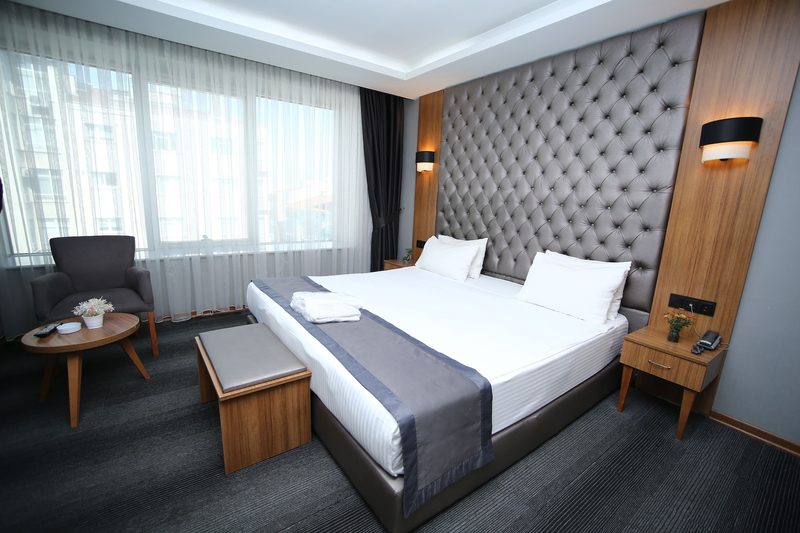
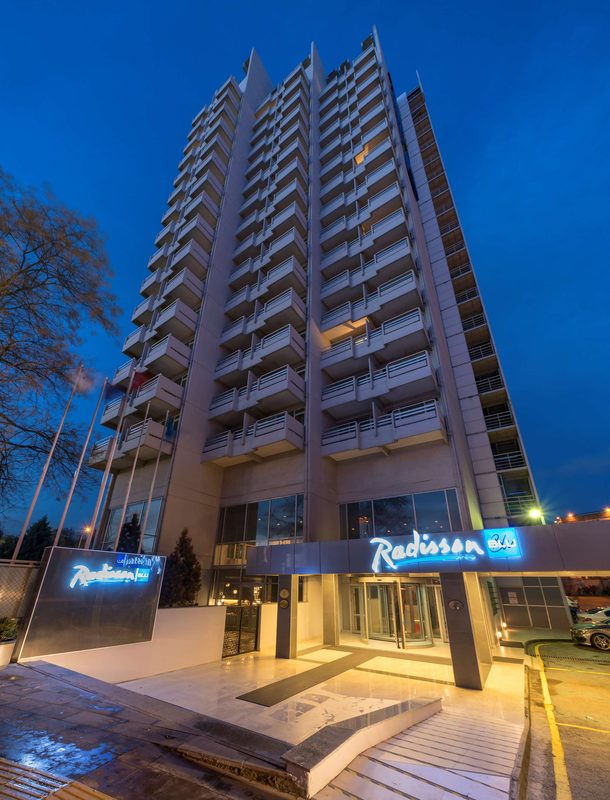
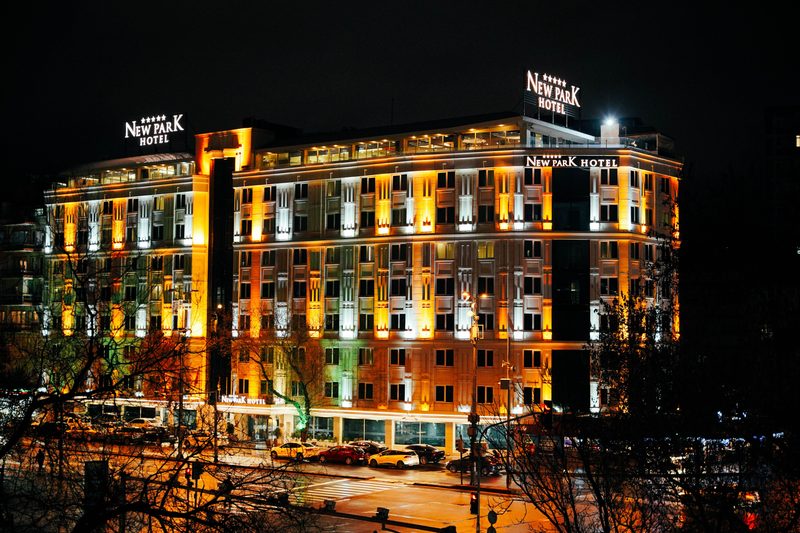
Hand-picked hotels across price tiers for February travellers.
Public Holidays in February
Dates that affect opening hours, transport and crowds
Ramazan Bayramı 1. Gün (Tentative Date)
Known in English as Eid al-Fitr First Day (Tentative Date). Observed nationwide as a public holiday.
Ramazan Bayramı 2. Gün (Tentative Date)
Known in English as Eid al-Fitr Second Day (Tentative Date). Observed nationwide as a public holiday.
Ramazan Bayramı 3. Gün (Tentative Date)
Known in English as Eid al-Fitr Third Day (Tentative Date). Observed nationwide as a public holiday.
Packing Checklist
Bookmark this page — your progress is saved between visits
Need the full list with shopping links?
Climate-specific gear, brand recommendations, and what to leave at home.
View Ankara Packing List →Essential Tips
Insider knowledge and common pitfalls to avoid
Insider Knowledge
Anitkabir opens at 9 AM. The hourly changing of the guard at the entrance pulls the densest visitor clusters. Arrive right at opening and head straight to the museum halls below the tomb first. The exhibition on Ataturk's personal effects and the founding of the Republic is engrossing and almost everyone skips it. By the time you climb back to the main esplanade, the crowd from the 10 AM ceremony has dispersed. In February, the low morning sun casts long shadows down the Lion Road's 262 m (860 ft) ceremonial approach that photograph far better than the flat midday light.
For Ankara's signature tava, skip the tourist-friendly restaurants near the citadel entrance. Find the lokantasi along the side streets behind Cikrikcilar Yokusu in the Ulus district. The copper pots in the windows are not decoration. Your food is cooked in them. The slightly charred crust that forms on the bottom of the tava dish is the best part. Point to what the regulars are eating if the menu overwhelms you. The staff expect it and will steer you right. Cubuk tursusu, the sharp pickled vegetables from the nearby Cubuk district, come on the side with everything and are worth eating by the fistful.
Ankara's metro and Ankaray light rail connect Kizilay to most major sites. Locals know the Kizilay-to-Ulus stretch above ground is often faster than waiting during morning rush, when government workers pack the carriages heading to the ministries. In February, time this walk for mid-morning when the sun has taken the edge off the overnight frost and the sidewalks have dried. The walk itself passes through layers of the city: Republican-era government buildings giving way to Ottoman-era commercial streets that you miss entirely underground.
The Atakule Tower observation deck in Cankaya gives the best panoramic view of the city. In February the real draw is the clarity. On cold, dry days, visibility from 125 m (410 ft) up can stretch to the snow-draped mountain ranges ringing the entire Anatolian plateau, a sweep of geography that hazy summer days never reveal. Go in the last hour before sunset for the transition from daylight to the city's evening lights spreading across the steppe below.
Avoid These Mistakes
Do not underestimate the cold because Turkey has a reputation as a warm country. Ankara is not Antalya, not Istanbul, not anywhere near the coast. It sits at 900 m (2,950 ft) on the continental interior of Anatolia and has more in common climatically with cities like Bucharest or Sofia than with the Mediterranean shore. Travelers who arrive from the coast in a fleece and trainers spend their first afternoon buying a proper coat from Kizilay's department stores instead of seeing the citadel.
Do not treat Ankara as a half-day stopover between Istanbul and Cappadocia. The Museum of Anatolian Civilizations alone justifies half a day if you engage with the collection rather than speed-walk it. The citadel quarter needs a full morning to wander properly. Anitkabir deserves two to three hours if you include the underground museum (which you should. It reframes how you understand modern Turkey). An evening exploring the restaurants and tea houses of the Kizilay and Tunali Hilmi neighborhoods rounds out a day that no other Turkish city can replicate. Two full days is the minimum to do Ankara justice. Three is better if you add a day trip.
Do not search for beaches or expect coastal activities. Ankara is landlocked, sitting squarely in the middle of the Anatolian plateau with no coastline within a day trip's reach. Travelers who arrive hoping for Mediterranean Turkey will be disappointed. What Ankara offers instead is depth: the kind of archaeological, culinary, and political-historical richness that coastal resort towns do not even attempt. Come for what the city is, not what the country's tourism marketing leads you to imagine.
Short on time? See day trips around Ankara on GetYourGuide.
Ready to plan your trip to Ankara?
Now that you've got the research covered, here's where to go next.
Explore More Activities in Ankara
Didn't see anything interesting yet?
Browse Viator's full catalog of tours, day trips, food experiences, and private guides in Ankara.
See All Ankara Tours on Viator