
Things to Do in Ankara in January
January weather, activities, events & insider tips
Low Season · Budget Friendly
January Weather in Ankara
Long-run averages for January
40°F (4°C)
High Temp
28°F (-2°C)
Low Temp
1.5 inches (38 mm)
Rainfall
81%
Humidity
8
Rainy Days
2
Sunny-Day UV
⚠ Black ice owns Ankara's nights. Sidewalks freeze. Cobblestones glaze over. The Citadel quarter traps the unwary. Hamamönü sends tourists to hospital annually. Falls happen fast. Recovery takes weeks. Non-slip footwear saves trips. Pack them. Wear them. Ice respects no one.
⚠ The plateau swings hard. Continental weather crashes through without warning. Ten degrees Celsius (18°F) can vanish in hours. Snow buries roads to Cappadocia. Regional travel pauses. A day or two of waiting follows. Build flexibility into January plans. The weather decides your schedule.
Making the most of January in Ankara? Browse tours and activities in Ankara on GetYourGuide.
Is January Right for You?
Weigh the advantages and considerations before booking
Advantages
- + The Museum of Anatolian Civilizations, one of the world's great archaeology collections, sits nearly empty in January. You'll stand alone in front of Hittite stone lions and Phrygian bronze cauldrons that would draw shoulder-to-shoulder crowds in peak season. The heated interior of the fifteenth-century converted bazaar building feels like a reward. Worth it.
- + Ankara's winter kitchen peaks in January. Tarhana soup made from fermented grain and yogurt. Slow-braised tandır lamb that falls apart at a touch. Steaming bowls of işkembe from the all-night lokantası near Ulus. This is the Anatolian interior's comfort food at full force. Eating it while sleet taps the windows is the correct context.
- + Costs for accommodation and transport drop noticeably from peak season. You're competing with government officials and university professors for rooms rather than tour groups. January is when Ankara's value equation tips furthest in the traveler's favour. Book now.
- + Snow on the Ankara Citadel walls and the restored timber-frame Ottoman houses of Hamamönü creates a winter atmosphere that most visitors never associate with Turkey. The plateau light in January, low, cool, often filtered through thin cloud, gives the old town a quiet severity that summer's bleached heat cannot replicate. Pack layers.
Considerations
- − Daylight runs roughly 7:30am to 5:15pm, giving you fewer than ten hours of usable light. Outdoor sightseeing needs to start early and wrap by mid-afternoon. This compresses your schedule and forces harder choices about what to prioritise each day. Plan accordingly.
- − Wind chill on the Anatolian plateau regularly pushes the felt temperature well below -5°C (23°F), along exposed stretches like Anıtkabir's 262-metre (860-foot) ceremonial approach. The cold is not cosmetic. It limits how long you can comfortably spend outdoors between heated stops. Seek shelter often.
- − Some regional day-trip sites like the Hittite ruins at Hattusa and the Phrygian tombs at Gordion are considerably less comfortable to explore in freezing conditions. Minimal on-site shelter and uneven terrain that ices over make these challenging in January. Consider postponing.
Settled on January? Compare hotel prices in Ankara for your dates on Trip.com.
Best Activities in January
Top things to do during your visit
Ankara in January wraps itself in a low, pewter sky that presses against the city's sharp-angled modernist skyline. Temperatures hover around 4°C during the day and slip below freezing after dark, coating the wide republican boulevards in a thin crust of frost that crunches underfoot at dawn. Snow is possible but not guaranteed. The air carries a dry, mineral bite that stings exposed cheeks. This is Ankara at its most introspective: the capital stripped of tourist choreography, its teahouses warm with fogged glass and the clatter of backgammon stones, its streets quieter than at any other point in the year. For travelers willing to dress for the cold, January reveals an Ankara that belongs almost entirely to the people who live here. Winter transforms Ankara's dining culture into something intimate and anchoring. Restaurants along Tunalı Hilmi Caddesi and in the Kızılay district fill with the earthy smell of slow-simmered lentil soup, charcoal-grilled lamb, and freshly baked pide pulled from wood-fired ovens. Ankara is a city that eats seriously in winter, leaning into heavy Anatolian plateau cooking: mantı dumplings slicked with garlic yogurt and paprika-stained butter, testi kebab cracked open tableside in a cloud of steam, tangy turniz juice served ice-cold as a counterpoint to the rich meat. Hotel availability is generous, and the city's accommodation runs from functional mid-range business hotels near Kızılay to restored Ottoman-era guesthouses inside the citadel walls. Nightlife concentrates in the Kavaklıdere and Çankaya neighborhoods, where candlelit meyhanes serve rakı alongside meze plates of acılı ezme and beyaz peynir until well past midnight. Safety in Ankara tracks with other major European capitals. Standard city awareness applies, and the well-lit central districts feel secure even on dark January evenings. What makes Ankara worth visiting in winter specifically is the chance to experience Turkey's political and cultural heart without the crowds that descend on Istanbul. The Anıtkabir mausoleum, the citadel, and the Museum of Anatolian Civilizations all operate at a contemplative pace. Average rainfall in January runs only about 38 millimeters, so while the cold is real, you are unlikely to lose full days to rain. Pack layers, waterproof boots, and a windproof outer shell, and you will find Ankara in winter generous with its rewards.

Ankara: Private Walking Tour With A Guide ( Private Tour )
walking_tourA local guide leads you on foot through the layered neighborhoods that most visitors never decode on their own, moving from the honey-colored stone lanes of the old citadel district, where wooden Ottoman houses lean at tired angles against each other, down through the republican-era government quarter lined with Bauhaus-influenced ministry buildings. The route threads past copper workshops in the Çıkrıkçılar Yokuşu bazaar, where artisans hammer trays into shape with a rhythmic, metallic ring that echoes off the vaulted stone ceilings, and the scent of roasting coffee beans drifts from open doorways. In January, the narrow cobblestone alleys of the citadel hold pockets of ice in the shadows, and the guide can adjust the pace and path to keep you moving through warmer, sunlit stretches.
A private guide unlocks the connective tissue between Ankara's Ottoman, republican, and contemporary layers in a way no map or audio tour can replicate.
Insider tip: Ask your guide to route you through the Hamamönü restoration quarter, where the restored Ottoman streetscape is quieter on weekday mornings and several small tea shops serve fresh simit warm from the oven.
This month: January's cold and short daylight mean the walk is best started by 10 a.m. to make use of the strongest light. The citadel's elevated position catches wind, so a windproof layer is essential.

Turkish Cuisine Cooking Class at Local Home with Family
foodYou step into a family kitchen in a residential Ankara neighborhood, where the counter is already dusted with flour and a pot of red pepper paste sits open, releasing a sweet, smoky fragrance that fills the warm room. The session moves through the canon of central Anatolian home cooking: rolling out paper-thin yufka dough by hand, filling mantı dumplings one by one in a meditative rhythm, and learning the precise moment to pull a sizzling bazlama flatbread from the sac griddle. What elevates this beyond a cooking demonstration is the family table at the end, where you eat everything you have made alongside homemade ayran, pickled vegetables with a sharp vinegar bite, and tea poured from a double-stacked çaydanlık.
Ankara's home cooking tradition is distinct from the coastal and Istanbul styles most visitors encounter, and learning it inside a family kitchen is the fastest route to understanding the plateau's culinary identity.
Insider tip: Come hungry and skip breakfast. The meal at the end is substantial, and the family will be quietly offended if you cannot finish.

Private Ankara Sightseeing Tour
guided_experienceThis full-scope private tour covers ground that would take two or three days of independent navigation, moving by vehicle between Ankara's major landmarks with a guide who contextualizes the large city's geography and history as you go. The itinerary typically anchors around Anıtkabir, the monumental mausoleum of Atatürk set on a hilltop above the city, where the long ceremonial approach road lined with Hittite lion sculptures leads to a colonnaded courtyard paved in travertine that gleams pale under January's overcast skies. From there the tour sweeps through the Museum of Anatolian Civilizations, housed in a restored Ottoman bedesten, and up into the Ankara Citadel, where panoramic views reveal the city's rooftops fading into the brown Anatolian steppe under a flat winter horizon.
Ankara is a geographically spread city with poor signage for visitors, and a private vehicle with a knowledgeable guide compresses a week of orientation into a single efficient day.
Insider tip: Request that the driver route past the Kocatepe Mosque at the end of the afternoon, when the interior is lit for evening prayers and the vast carpeted floor is nearly empty.

Full Day Cappadocia Private Tour
day_tripThe drive southeast from Ankara crosses the central Anatolian plateau, a landscape that in January is stripped to its elemental palette: tawny grassland under grey sky, punctuated by the occasional shepherd wrapped in a heavy wool coat. After roughly three and a half hours, the terrain fractures into the otherworldly tufa formations of Cappadocia, where rock formations rise in columns of cream, rust, and ash-grey from eroded valleys. The tour covers the open-air museums of Göreme, where Byzantine-era cave churches still hold frescoes in faded ochre and lapis, and descends into underground cities carved deep into the soft volcanic rock, where the air is cool and damp and smells of mineral earth. January means you will share these sites with a fraction of the summer crowds, and the low winter light casts long shadows across the valley floors that deepen every contour.
Cappadocia is reachable as a long but feasible day trip from Ankara, and January's thin visitor numbers mean you can stand alone inside a painted cave church that would be shoulder-to-shoulder in July.
Insider tip: Bring a headlamp for the underground city sections where the overhead lighting is dim, and wear shoes with solid grip since the carved stone steps can be slick in winter.
This month: January temperatures in Cappadocia run colder than Ankara, often dropping well below freezing. Pack thermal layers and check road conditions with your driver, as icy stretches on the plateau highway are possible.

Private Airport Transfer From/To Ankara Airport to Cankaya Hotels
transportEsenboğan Airport sits roughly 30 kilometers northeast of Ankara's Çankaya district, connected by a highway that in January can be slick with black ice after sunset. A pre-arranged private transfer eliminates the guesswork of navigating taxi negotiations in Turkish at a quiet winter arrival hall and guarantees a warm vehicle waiting at the terminal. The drive into the city passes through flat, open terrain before descending into Ankara's central avenues, and a good driver will have the car heated and can point out landmarks as the skyline comes into view.
Arriving in an unfamiliar capital after dark in freezing weather is the wrong moment to improvise ground transport, and a pre-booked transfer starts the trip without friction.
Insider tip: Confirm your pickup time accounts for Ankara's evening rush hour between 5 and 7 p.m., when the Esenboğa highway approach slows significantly; a flight landing at 6 p.m. can mean 90 minutes to Çankaya instead of the usual 40.

Ankara Bronze Age Private Tour: Hattusas, Yazilikaya & Alacahöyük
private_tourThis day-long expedition drives east from Ankara into the rolling, wind-scoured highlands near Çorum, where three separate Bronze Age Hittite sites lie within a compact radius. Hattusas, the former Hittite capital, spreads across a vast hillside, its cyclopean stone walls and monumental gates still standing after more than three thousand years. In January, the site is almost certainly deserted, and the silence broken only by wind through dry grass makes the scale of the ruins feel immense. Alacahöyük rounds out the triangle with royal tombs and a sphinx gate that predates anything in Ankara's museums by centuries. The smell of frozen earth and dried thyme underfoot accompanies every step between excavation trenches.
These are among the most important Bronze Age sites in the world, and visiting from Ankara with a specialist guide provides historical context that the sparse on-site signage cannot.
Insider tip: Hattusas is an exposed hilltop site with no shelter from wind. Bring a balaclava or neck gaiter, because the wind chill at the upper citadel in January can feel brutal even when Ankara itself is manageable.
This month: The sites are open year-round, but January's early sunset around 5:15 p.m. limits usable daylight. Departing Ankara by 7:30 a.m. is essential to visit all three without rushing the final stop.
Where to Stay in Ankara in January
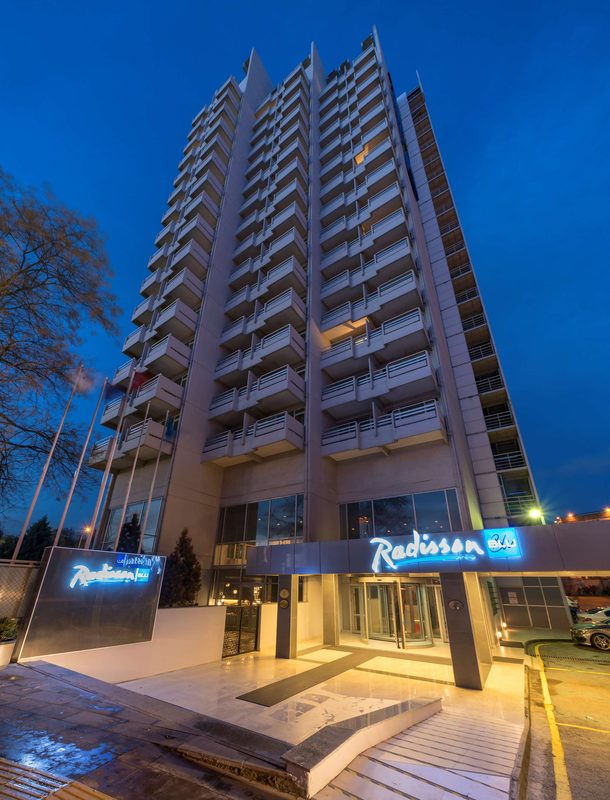
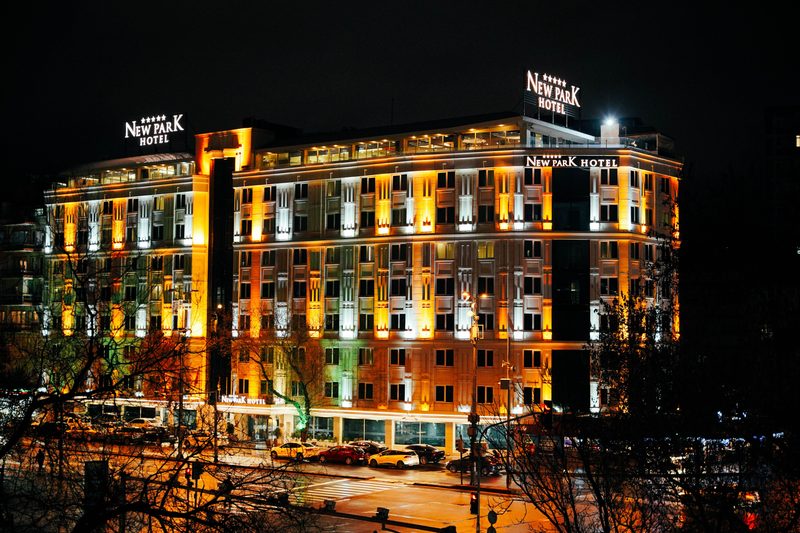
Hand-picked hotels across price tiers for January travellers.
Public Holidays in January
Dates that affect opening hours, transport and crowds
Yılbaşı
Known in English as New Year's Day. Observed nationwide as a public holiday.
Yılbaşı
Known in English as New Year's Day. Observed nationwide as a public holiday.
Packing Checklist
Bookmark this page — your progress is saved between visits
Need the full list with shopping links?
Climate-specific gear, brand recommendations, and what to leave at home.
View Ankara Packing List →Essential Tips
Insider knowledge and common pitfalls to avoid
Insider Knowledge
Ankara is a government and university city before it is a tourist destination, and this works entirely in your favour in January. The cultural infrastructure, opera, museums, contemporary galleries like CerModern in a converted railway depot, exists to serve two million residents rather than visitors. The quality is high and the pricing is pitched at local salaries. You will feel less like a tourist here than in almost any other Turkish city. This is either the appeal or the warning. It depends on what you came for.
The restored Hamamönü quarter just east of the Citadel walls is where Ankara residents themselves go for weekend tea in Ottoman-era timber houses converted to quiet cafes. In January the narrow streets are still enough that the sound of a copper cezve being poured carries from one doorway to the next. The smell of roasting chestnuts from a street vendor's cart hangs in the cold air. It is far less discovered than the Citadel's main tourist axis. It feels considerably more lived-in.
For the most honest winter eating, follow the government workers at midday. The lokantası, steam-table restaurants where you point at what you want behind a glass counter, clustered around the ministry buildings near Kızılay serve dishes like kuru fasulye (white beans braised in a tomatoey, slightly smoky broth), etli nohut (chickpea and lamb stew), and the thick red-lentil soup called ezogelin that has fed Ankara's working population for decades. The food rotates daily. Portions are generous. The lunch rush clears by 1:30pm.
Ankara is landlocked and sits on the Anatolian plateau at 850 m (2,790 ft) elevation, roughly 450 km (280 miles) from the nearest coastline. If you arrived hoping for beaches, you are in the wrong Turkey entirely. What Ankara offers instead is something Istanbul cannot: unmediated access to the interior's archaeological depth, from the Hittite capital at Hattusa to the Phrygian royal tombs at Gordion, without the coastal tourist overlay and at a fraction of the cost.
Avoid These Mistakes
Booking Ankara as a one-night transit stop en route to Cappadocia and leaving before seeing the Museum of Anatolian Civilizations. The museum alone justifies two hours. The city around it, the Citadel quarter, Hamamönü, the meyhane culture, the opera, rewards a minimum of two full days. Three is better if you want to eat properly and let the city's rhythm register.
Packing for Istanbul's milder coastal winter and arriving underdressed for the interior plateau. Istanbul in January averages 6-9°C (43-48°F) for a high. Ankara averages 4°C (40°F) but feels markedly colder due to 850 m (2,790 ft) elevation and persistent wind. This is a proper cold-weather destination. The difference between the two cities' winters catches people every year.
Forget Istanbul's nightlife. Ankara plays by different rules. The city comes alive in meyhanes, those long-table taverns where rakı flows and meze arrives in waves. Stuffed vine leaves. Acılı ezme with proper chilli heat. White cheese over peppery arugula. University bars line Tunalı Hilmi Caddesi in Kavaklıdere, packed with students and professors. This is a political capital, an academic hub, not a tourist playground. The evenings feel authentically Turkish, intimate, slow. They demand patience. Skip Ankara if you want rooftop cocktails and dance floors.
Short on time? See day trips around Ankara on GetYourGuide.
Ready to plan your trip to Ankara?
Now that you've got the research covered, here's where to go next.
Explore More Activities in Ankara
Didn't see anything interesting yet?
Browse Viator's full catalog of tours, day trips, food experiences, and private guides in Ankara.
See All Ankara Tours on Viator