
Things to Do in Ankara in May
May weather, activities, events & insider tips
Low Season · Budget Friendly
May Weather in Ankara
Long-run averages for May
73°F (22°C)
High Temp
50°F (10°C)
Low Temp
2.0 inches (51 mm)
Rainfall
58%
Humidity
8
Sunny-Day UV
⚠ Afternoon storms brew fast on the Anatolian plateau in May. Brief, fierce rain and gusty winds arrive within minutes. Citadel cobbles turn slick; Hattusa's open ruins give no cover. Pack rain gear and watch western skies after midday.
⚠ UV index hits 8, fierce for a mild 22°C (73°F). Altitude amplifies rays. Cool breezes lie. Visitors burn fast. Apply sunscreen early and often.
Making the most of May in Ankara? Browse tours and activities in Ankara on GetYourGuide.
Is May Right for You?
Weigh the advantages and considerations before booking
Advantages
- + May is Ankara's sweet spot. Daytime highs of 22°C (73°F) invite long rambles through the citadel quarter without the brutal plateau heat that hits 31°C (88°F) in July. Mornings stay crisp until mid-morning, then evenings cool to 10°C (50°F) and you will welcome the tea the carpet seller pours. Pack layers.
- + May 19 turns Ankara into the nation's emotional core. Commemoration of Atatürk, Youth and Sports Day is observed nationwide. Yet in the capital the weight feels heavier than anywhere else in Turkey. Tens of thousands file to Anıtkabir, and Atatürk Bulvarı, draped in red and white flags, thrums with a feeling no photo can catch. The drums echo off ministry walls and pound your sternum.
- + The Anatolian steppe greens up in May after spring rains, and poplars along the boulevards leaf out fully. Ankara gets dismissed as a concrete government town. Yet in May the parks along Gençlik Parkı and the slopes below the citadel invite lingering. Families grill köfte on portable mangals. Students read under lindens.
- + Shoulder-season pricing still applies. Ankara never suffers the tourist crush that hits Istanbul or Cappadocia. Yet May slots neatly between April's Ramazan Bayramı travel increase and the summer school-break exodus. Rooms are easier to find and cheaper than in peak summer.
Considerations
- − May brings about 51 mm (2.0 inches) of rain across roughly 10 days. Showers strike without warning in the afternoon, soaking a street in fifteen minutes and vanishing. Cobblestones in the old citadel quarter turn slick, and the steep lanes up to Ankara Kalesi become treacherous in smooth-soled shoes.
- − Ankara sits at 850 m (2,790 ft) on the central plateau, so day-night temperature swings are dramatic. A t-shirt feels right at 2 PM; by 7 PM you will reach for a jacket as the sun drops. First-timers underpack for evenings and end up buying sweaters along Tunalı Hilmi Caddesi.
- − The city layout punishes walkers who try to cross districts on foot. Ankara sprawls across hills and broad boulevards built for motorcades, not pedestrians. Ulus, home to the old town and major museums, lies 3 km (1.9 miles) from the Kızılay-Çankaya axis where restaurants and nightlife cluster, and the corridor is uninspiring. Use the metro or taxis more than you expect.
Settled on May? Compare hotel prices in Ankara for your dates on Trip.com.
Best Activities in May
Top things to do during your visit
May strips away the last gray chill that clings to Ankara through winter and early spring. Daytime temperatures climb into the low twenties Celsius, warm enough for shirtsleeves by midday but cool enough at night, dropping near ten degrees, that you will want a light jacket after dark. The steppe plateau air feels clean and dry compared to the coastal humidity of Istanbul or Antalya, and afternoons carry the faint scent of linden trees beginning to bloom along Atatürk Bulvarı. Scattered showers arrive on roughly ten days of the month, usually as brief afternoon cloudbursts that darken the sky for an hour and leave the stone walls of the Citadel gleaming before the sun returns. Ankara's rainfall in May sits at about two inches, modest by any standard. But enough to green up the parks and hillside scrub that frame the city's skyline in an unexpectedly soft palette. This is the season when Ankara's residents reclaim their outdoor life. Families spread blankets in Gençlik Parkı, university students crowd the tea gardens of Kızılay, and the rooftop restaurants above Hamamönü begin setting tables outside for the first sustained stretch of the year. The capital does not trade on the coastal glamour that draws package tourists to the Aegean and Mediterranean, and that is precisely its advantage in May: museum queues are short, restaurants seat you without a reservation, and the city reveals itself at the unhurried pace of a place that exists for its own people rather than for visitors. Whether Ankara is worth visiting comes down to what you want from Turkey. If you are after the political, archaeological, and culinary core of the republic rather than a beach holiday, there is no substitute. And for anyone wondering about safety, Ankara is a diplomatic capital with a heavy security presence. Its central neighborhoods feel orderly and well-lit even late at night, with the usual common-sense precautions you would exercise in any large European city. Ankara's food scene rewards curiosity more than it rewards guidebook obedience. The city's signature dishes, Ankara tavası, a lamb-and-rice casserole baked under a crackling crust, and çubuk turşusu, the crunchy pickled vegetables from the nearby town of Çubuk, are the kind of regional staples you will not find done properly anywhere else in Turkey. Restaurants in the Ulus and Hamamönü quarters serve them alongside charcoal-grilled köfte whose smoke drifts through the narrow lanes all afternoon. Nightlife concentrates in Tunalı Hilmi and Kızılay, where a string of meyhanes and cocktail bars stay busy until well past midnight on weekends. The scene is local, unpretentious, and refreshingly affordable compared to Istanbul. For lodging, the Kavaklıdere and Çankaya neighborhoods put you within walking distance of both diplomatic-quarter restaurants and the major museums, and May's shoulder-season timing means rooms at even the better-regarded hotels come at a fraction of their autumn-congress-season rates.

Ankara: Private Walking Tour With A Guide ( Private Tour )
walking_tourA private guide walks you through the layered neighborhoods where Ankara's identity was forged, from the crumbling Roman baths below the Citadel walls, where you can still trace the outline of a caldarium floor, to the Art Deco government buildings along Atatürk Bulvarı that Mustafa Kemal commissioned to announce the new republic's ambitions. The route threads through Hamamönü's restored Ottoman timber houses, now converted into tea rooms and antique shops where the smell of fresh simit and brewing çay seeps through open doorways. Your guide adjusts the itinerary to your pace, which means you can linger in the copper-workers' alley near Samanpazarı or push uphill to the Citadel ramparts for a wide view across the steppe.
The only way to decode Ankara's compressed timeline, Roman, Seljuk, Ottoman, Republican, in a single coherent narrative shaped around your own questions.
Insider tip: Ask your guide to start at Cenabi Ahmet Paşa Camii before the morning tour groups arrive. The interior tilework catches the earliest eastern light through the courtyard entrance, and the surrounding streets are still quiet enough to hear the fountain.
This month: May's mild mornings make walking Ankara's hilly terrain comfortable without the searing heat that sets in by late June, and the occasional afternoon shower rarely interrupts a morning-scheduled tour.

Turkish Cuisine Cooking Class at Local Home with Family
foodYou cook in a family kitchen in one of Ankara's residential neighborhoods, not a staged studio. The countertops show wear, the spice jars are half-used, and the grandmother who rolls the dough has been doing it the same way for decades. The session covers core Anatolian technique: hand-pulling yufka pastry thin enough to read newsprint through, folding mantı dumplings no larger than a thumbnail, and ladling walnut-garlic sauce that smells sharp and earthy and faintly sweet. You sit down to eat everything you made with the family, and the conversation, about regional variations, about why Ankara's mantı are smaller than Kayseri's, about what the family cooks on ordinary weeknights, is as instructive as the cooking itself.
Ankara's home cooking tradition is Central Anatolian to the bone, and learning it inside a local family's kitchen gives you recipes and technique no restaurant meal can replicate.
Insider tip: Bring a small notebook. The family shares proportions and methods conversationally, and the details, which pepper flake they use, how long they rest the dough, disappear from memory faster than you expect.

Private Ankara Sightseeing Tour
guided_experienceThis vehicle-based private tour covers the capital's major landmarks in a single day, Anıtkabir (Atatürk's mausoleum), the Museum of Anatolian Civilizations, the Citadel, and the Kocatepe Mosque, with a driver and guide who handle the logistics of a city whose spread-out geography defeats most pedestrian itineraries. At Anıtkabir, the scale of the ceremonial approach, a long stone-paved Lion Road flanked by Hittite-style sculptures, lands differently when a guide explains how the site was engineered to make every visitor feel small against the idea of the republic. The Museum of Anatolian Civilizations, housed in a restored fifteenth-century bedesten, holds Hittite sun discs and Phrygian bronze work displayed in cool, vaulted stone rooms where your footsteps echo off the floor.
Ankara's essential sites are scattered across a city built on hills and ring roads; a private tour connects them in a day without the dead time of navigating unfamiliar public transit.
Insider tip: Ask the driver to route through Atatürk Orman Çiftliği (Atatürk Forest Farm) between stops. It is a large green corridor most guided tours skip, and in May the grounds smell of cut grass and flowering fruit trees.

Full Day Cappadocia Private Tour
day_tripA long day trip, expect an early departure and a late return, that trades Ankara's urban plateau for Cappadocia's eroded volcanic landscape, where rock formations rise from valleys in columns of pink and cream tuff that look soft enough to press a thumb into. The route typically covers Göreme Open Air Museum, where Byzantine-era cave churches preserve frescoes in ochre, indigo, and flaking gold. The Devrent Valley, whose rock formations take on animal silhouettes in the low-angle light. And Avanos, a pottery town on the Kızılırmak River where workshops still throw clay dug from the red riverbank. The drive from Ankara crosses the central Anatolian steppe, and in May that steppe is briefly, green, a contrast to the parched brown it turns by July.
Cappadocia is reachable as a day trip from Ankara, and doing it privately means you control pacing instead of being herded through a bus-tour checklist.
Insider tip: The Göreme churches are small and dim. Let your eyes adjust for a full minute before looking up at the ceiling frescoes, and carry a small flashlight. Phone screens wash out the pigment colors.
This month: May's green steppe makes the drive scenic rather than monotonous, and Cappadocia's daytime temperatures are mild enough for comfortable walking through the open-air valleys without the heat stress of a July or August visit.

Private Airport Transfer From/To Ankara Airport to Cankaya Hotels
transportEsenboğan Airport sits roughly thirty-five kilometers north of the city center, and the ride into the Çankaya hotel district crosses a stretch of steppe highway that feels disorienting at midnight if you are navigating it for the first time. A pre-booked private transfer eliminates the negotiation and meter-watching of a taxi queue. The driver meets you in arrivals with your name on a sign, loads your luggage, and deposits you at your hotel door. The vehicles are clean, air-conditioned, and, critically for anyone arriving on a red-eye, quiet.
The fixed-rate, meet-and-greet format removes every friction point of the airport-to-hotel transition, valuable on late arrivals when public bus service has ended.
Insider tip: Confirm the terminal with your driver in advance; Esenboğa's domestic and international arrivals exit from different doors, and a miscommunication can cost you twenty minutes of circling.

Ankara Bronze Age Private Tour: Hattusas, Yazilikaya & Alacahöyük
private_tourThis tour drives east from Ankara into the dry hills of Çorum province to reach Hattusa, the Hittite imperial capital, where massive stone lions still guard the city gates and the circuit walls trace a perimeter so large you feel the ambition of a civilization that rivaled Egypt. The rock sanctuary at Yazılıkaya, carved into a narrow limestone gorge just outside Hattusa, holds processions of gods and goddesses chiseled into the cliff face. The figures are weathered but legible, and standing in the cool shade of the gorge while tracing them with your eyes is one of the most quietly powerful archaeological experiences in Turkey. At Alacahöyük, the royal tombs yielded the bronze sun discs and gold jewelry you may have already seen at the Museum of Anatolian Civilizations in Ankara, and walking the excavation trenches connects those museum objects to the earth they came from.
The Hittite heartland is one of the ancient world's great archaeological landscapes, largely unvisited compared to Greek and Roman sites, and reachable only as a dedicated day trip from Ankara.
Insider tip: Wear sturdy shoes with ankle support. The Hattusa circuit involves uneven ground and loose stone, and the site is too spread out to cover in sandals without regret.
This month: May is the last comfortable month for walking the exposed ruins at Hattusa before summer temperatures on the Çorum plateau make extended outdoor exploration taxing. The surrounding farmland is green with young wheat, softening a landscape that turns harsh and brown by July.
Where to Stay in Ankara in May
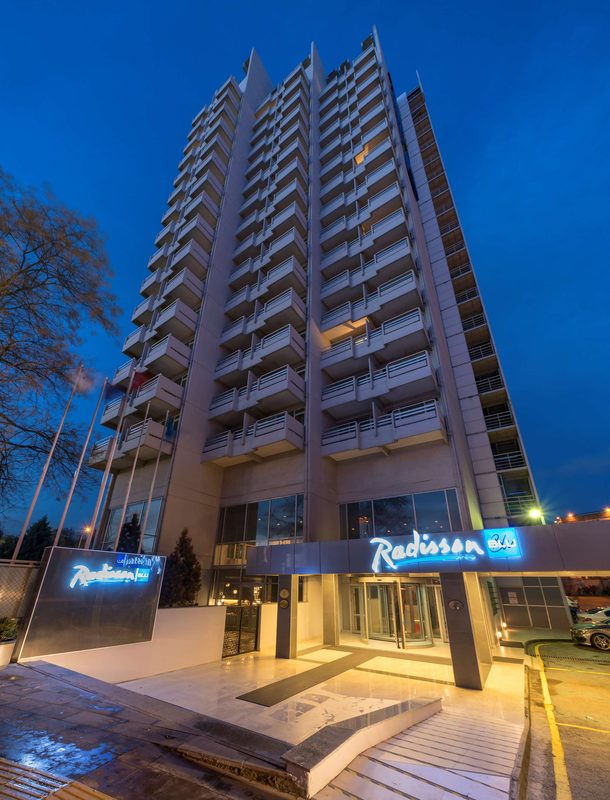
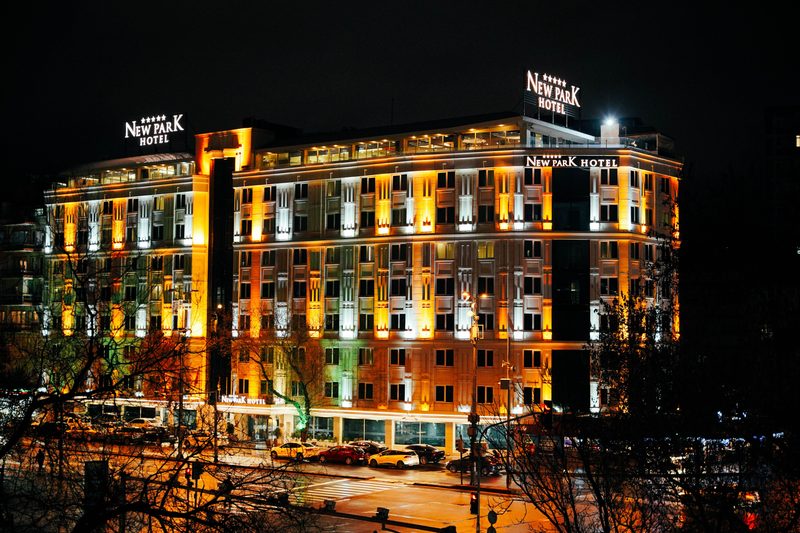
Hand-picked hotels across price tiers for May travellers.
Public Holidays in May
Dates that affect opening hours, transport and crowds
İşçi Bayramı
Known in English as Labour Day. Observed nationwide as a public holiday.
Kurban Bayramı 1. Gün (Tentative Date)
Known in English as Eid al-Adha First Day (Tentative Date). Observed nationwide as a public holiday.
Kurban Bayramı 2. Gün (Tentative Date)
Known in English as Eid al-Adha Second Day (Tentative Date). Observed nationwide as a public holiday.
Kurban Bayramı 3. Gün (Tentative Date)
Known in English as Eid al-Adha Third Day (Tentative Date). Observed nationwide as a public holiday.
Atatürk'ü Anma, Gençlik ve Spor Bayramı
Known in English as Atatürk Commemoration & Youth Day. Observed nationwide as a public holiday.
Kurban Bayramı 4. Gün (Tentative Date)
Known in English as Eid al-Adha Fourth Day (Tentative Date). Observed nationwide as a public holiday.
İşçi Bayramı
Known in English as Labour Day. Observed nationwide as a public holiday.
Kurban Bayramı 1. Gün (Tentative Date)
Known in English as Eid al-Adha First Day (Tentative Date). Observed nationwide as a public holiday.
Kurban Bayramı 2. Gün (Tentative Date)
Known in English as Eid al-Adha Second Day (Tentative Date). Observed nationwide as a public holiday.
Kurban Bayramı 3. Gün (Tentative Date)
Known in English as Eid al-Adha Third Day (Tentative Date). Observed nationwide as a public holiday.
Kurban Bayramı 4. Gün (Tentative Date)
Known in English as Eid al-Adha Fourth Day (Tentative Date). Observed nationwide as a public holiday.
Atatürk'ü Anma, Gençlik ve Spor Bayramı
Known in English as Atatürk Commemoration & Youth Day. Observed nationwide as a public holiday.
Packing Checklist
Bookmark this page — your progress is saved between visits
Need the full list with shopping links?
Climate-specific gear, brand recommendations, and what to leave at home.
View Ankara Packing List →Essential Tips
Insider knowledge and common pitfalls to avoid
Insider Knowledge
Eat where the bureaucrats eat. Skip Hamamönü's tourist traps and head to Ulus lokantası. Steam tables glow: Ankara tava, kuru fasulye, lamb shanks, thick bread. If the counter fogs and the tables are formica, sit. Turkish-only menu? Perfect. Point. They will smile back.
Ride the metro. M1 links AŞTİ bus station to Kızılay in minutes. Ankaray shuttles to Dikimevi every five to seven. Grab an Ankarakart at any booth. Taxis crawl once Atatürk Bulvarı clogs at rush hour. A fifteen-minute ride balloons to forty-five.
Stroll Tunalı Hilmi Caddesi after work. Çankaya's grads and civil servants claim the sidewalks by 7 PM, nursing çay and Efes while debating politics. It is the city's closest echo of a Paris boulevard, and no one dresses up. Walk from Kuğulu Park, past live swans, to the bar cluster at the southern tip.
Hit Anıtkabir before 7:30 AM on May 19th. Enter via the southern gate, not the grand northern steps. The south path is quiet and drops you at the museum first. By 10 AM the main queue snakes for hundreds of meters and security crawls.
Avoid These Mistakes
Do not day-trip from Istanbul. The YHT high-speed train needs four and a half hours each way. You will stagger off, snap Anıtkabir, and collapse on the return. Ankara deserves two full days, three if you want Hattusa. The city loosens up after dark. Rush and you will call it dull.
Pack for two climates. Daytime 22°C (73°F) feels gentle. Night drops 12°C (22°F). First-timers shiver every time. Plateau air flips fast. By sunset a t-shirt is useless. Locals layer. Copy them.
Skip this museum and you miss the plot. The Museum of Anatolian Civilizations is no dusty backroom. Hittite, Phrygian, Urartian galleries upend what you thought you knew about Anatolia three millennia before the Ottomans. It ranks among the planet's top five archaeological museums. Yet in May you may share it with only a dozen visitors. Trading this for Istanbul's Hagia Sophia queue is a genuine loss.
Short on time? See day trips around Ankara on GetYourGuide.
Ready to plan your trip to Ankara?
Now that you've got the research covered, here's where to go next.
Explore More Activities in Ankara
Didn't see anything interesting yet?
Browse Viator's full catalog of tours, day trips, food experiences, and private guides in Ankara.
See All Ankara Tours on Viator