
Things to Do in Ankara in March
March weather, activities, events & insider tips
Low Season · Budget Friendly
March Weather in Ankara
Long-run averages for March
53°F (12°C)
High Temp
35°F (1°C)
Low Temp
1.8 inches (46 mm)
Rainfall
56%
Humidity
5
Sunny-Day UV
⚠ Near-freezing temperatures: pack warm layers
Making the most of March in Ankara? Browse tours and activities in Ankara on GetYourGuide.
Is March Right for You?
Weigh the advantages and considerations before booking
Advantages
- + March in Ankara offers the clearest air of the year. The view from the castle walls sharpens. You can see across the city's sea of red-tiled roofs all the way to the distant, snow-dusted peaks of the Idris and Elmadag mountains.
- + The city's major museums, like the utterly essential Museum of Anatolian Civilizations, are blissfully free of the summertime tour-bus crush. You can linger over the 10,000-year-old Çatalhöyük murals without being jostled. Take your time.
- + Spring arrives in the city's parks and Atatürk Forest Farm with a quiet, determined energy. You'll catch the scent of damp earth and early-blooming almond blossoms carried on a crisp breeze. This is a stark contrast to the dry summer heat.
- + This is Turkey's capital at its most functional and local. You can find a table at the city's legendary ocakbaşı grills without a reservation. Have a genuine conversation with the waiter instead of shouting over a tourist crowd.
Considerations
- − The weather in Ankara in March is notoriously fickle. A brilliant, sunny morning where you can walk comfortably in a light sweater can turn into a bone-chilling, wind-whipped afternoon. You will scramble for a taxi.
- − While the major sites are quiet, the city's outdoor cafe culture, a cornerstone of Ankara life, is still largely dormant. The plastic-enclosed terraces are up. Sitting outside often requires a thermal layer and a certain stoicism.
- − The landscape on day trips, towards Cappadocia, is still in its late-winter palette of browns and greys. The famous valleys won't show their green until late April. Photographers might find it a bit stark.
Settled on March? Compare hotel prices in Ankara for your dates on Trip.com.
Best Activities in March
Top things to do during your visit
Ankara in March sits at the hinge of seasons. Winter hasn't fully released its grip on the Anatolian steppe. The capital wakes each morning under skies that shift between pale grey overcast and sudden, almost startling blue. Daytime temperatures climb to around 12 degrees Celsius, warm enough to walk the city's hilly streets in a lined jacket. Nights drop near freezing. Locals head into the glow of lokantas where charcoal smoke curls from grills and tea glasses clink against saucers in a steady, companionable rhythm. Ankara isn't a beach destination. It never pretends to be. It is an inland capital perched on rolling plateau at roughly 850 metres elevation. The air in March carries a dry, mineral bite that smells faintly of woodsmoke and wet stone after a passing shower. Rainfall averages around 46 millimetres for the month, arriving in brief, scattered bursts rather than sustained downpours. An umbrella tucked into a daypack is enough insurance. This is the quietest window to experience a city that most visitors skip entirely on their way to Istanbul or Cappadocia. That misjudgement works in your favour. Ankara rewards those who slow down. The vast Museum of Anatolian Civilizations. The crumbling Byzantine and Ottoman layers of the old citadel quarter. The modernist monuments Atatürk planted across the city in the 1920s and 30s. The neighbourhood restaurants where cooks ladle steaming bowls of Ankara tava over a bed of rice and the lamb fat glistens under fluorescent light. None of these draw summer crowds. In March they draw even fewer. The city's population of over five million goes about its business. You move through it at their pace rather than a tourist's. Ankara is emphatically worth visiting. Not as a consolation for missing the coast. As an encounter with a Turkish life that predates tourism and does not perform for it. The nights are cool enough that Ankara's after-dark culture shifts indoors. Kızılay and Tunalı Hilmi Caddesi fill with university students and civil servants ducking into meyhanes for rakı and meze. The anise scent drifts through doorways each time someone enters from the cold. If you are wondering whether Ankara is safe, the short answer is yes, with the routine urban awareness any capital demands. The long avenues are well-lit. Public transit runs late. The biggest practical hazard is the steep, uneven cobblestone in the citadel district after dark. Hotels cluster around Kavaklıdere and Çankaya for upscale stays and near Ulus and the old town for proximity to the historic core. March rates sit well below summer peaks.

Ankara: Private Walking Tour With A Guide ( Private Tour )
walking_tourA private walking tour through Ankara strips away the capital's reputation as a bureaucratic waypoint. It replaces that reputation with the texture of a city that has been continuously inhabited for millennia. Your guide leads you through the narrow lanes of the citadel quarter. Ottoman timber houses lean against Roman-era fortification walls. The scent of fresh simit drifts from a wooden cart parked at a stone archway. From the ramparts, the view stretches across Ankara's sprawl to the steppe beyond. The minarets of Kocatepe Mosque catch whatever light the March sky offers.
A guided walk is the fastest way to decode Ankara's layered history, from Phrygian foundations to Republican-era boulevards, with a local who knows which alley leads to a view and which to a dead end.
Insider tip: Ask your guide to route through the Çengelhan caravanserai, now a restored Ottoman courtyard with a small museum and a tea garden where you can sit on kilim-covered benches and warm your hands on a tulip-shaped glass of çay before continuing uphill.
This month: March temperatures around 12 degrees Celsius in the afternoon make for comfortable walking without summer heat. But the cobblestones in the citadel can be slippery after rain, so wear shoes with grip.

Turkish Cuisine Cooking Class at Local Home with Family
foodCooking in a Turkish home kitchen is a different discipline from restaurant dining. In this class, held inside a family residence in Ankara, you stand at the counter alongside your hosts, rolling out dough for mantı, the tiny lamb-stuffed dumplings that Ankara claims as its own. The kitchen smells of clarified butter browning in a copper pan and dried mint crumbled between fingers. You learn to layer the yoghurt and garlic sauce, drizzle the paprika-spiked oil, and eat what you have made at a table set with mismatched china and genuine hospitality.
Ankara mantı is distinct from the versions served elsewhere in Turkey, the dumplings smaller and more labour-intensive, and learning the technique from a family who makes them weekly gives you a skill no restaurant meal can.
Insider tip: Come hungry and skip breakfast. The meal you cook will be substantial, and the family typically adds side dishes, salad, and dessert beyond what the class formally covers.

Private Ankara Sightseeing Tour
guided_experienceA private sightseeing tour by vehicle covers the ground that Ankara's spread-out geography makes difficult on foot alone. The route typically connects Anıtkabir, the monumental mausoleum of Atatürk set on a hilltop where the wind carries the faint smell of pine from the surrounding park, with the Museum of Anatolian Civilizations, whose collection of Hittite sun discs and Bronze Age figurines sits inside a restored 15th-century bedesten. Between stops, you cross the modern city, passing the brutalist government ministries and the wide Republican-era boulevards that Atatürk commissioned as a deliberate counterpoint to Istanbul's Ottoman grandeur.
Ankara's key sites are separated by kilometres of hilly terrain and inconsistent public transit connections, and a private vehicle with a knowledgeable guide turns a fragmented day into a coherent narrative of 4,000 years.
Insider tip: Ask the driver to pass through the Hamamönü restoration district on the way between sites. The painted Ottoman facades and small artisan workshops are easy to miss without local direction, and a fifteen-minute stop for Turkish coffee in one of the courtyard cafés adds texture to the day.

Full Day Cappadocia Private Tour
day_tripCappadocia lies roughly three and a half hours southeast of Ankara by road. A full-day private tour from the capital lets you witness one of the most geologically improbable landscapes on Earth without relocating your luggage. The rock formations of Göreme rise like eroded organ pipes from a valley floor dusted in March with patches of frost that melt by midday, the tuff glowing in shades of ochre and pale rose. You enter rock-cut churches where Byzantine frescoes stare from ceilings blackened by centuries of candle smoke, the pigment still startlingly vivid in patches of cobalt and cinnabar.
A day trip from Ankara to Cappadocia eliminates the need for a connecting flight or overnight stay, and a private guide ensures you reach the lesser-visited valleys rather than only the coach-tour stops.
Insider tip: Confirm with your guide whether the return route passes through the salt flats of Tuz Gölü; in March the lake is partially full, and the flat white expanse against the steppe horizon is a stark, beautiful contrast to Cappadocia's soft stone.
This month: March highs in Cappadocia run several degrees cooler than Ankara, and the valleys can hold morning frost. Bring a warm layer even if the afternoon feels mild in the city.

Private Airport Transfer From/To Ankara Airport to Cankaya Hotels
transportA private airport transfer between Esenboğan Airport and the Çankaya hotel district eliminates the uncertainty of navigating an unfamiliar city after a flight. The drive covers roughly 30 kilometres of highway cutting across the steppe north of Ankara. In March the landscape outside the car window is austere and beautiful: brown grassland, occasional clusters of bare poplar trees, and the city's silhouette emerging on its plateau as you approach. Your driver meets you at arrivals, handles luggage, and delivers you to your hotel door.
Esenboğa sits well outside the city centre, and a pre-arranged transfer removes the language barrier and fare negotiation that can complicate a taxi ride after a long flight.
Insider tip: Book the transfer for your departure as well and request a pickup 15 minutes earlier than you think necessary; March mornings can bring fog to the highway between the city and the airport, slowing traffic unpredictably.

Ankara Bronze Age Private Tour: Hattusas, Yazilikaya & Alacahöyük
private_tourThis full-day private tour drives northeast from Ankara into the heart of the ancient Hatti and Hittite world. Hattuşaş, the Hittite capital and a UNESCO World Heritage site, sprawls across a windswept ridge where the remains of massive stone gateways, grain silos carved into bedrock, and the Lion Gate with its weathered basalt guardians evoke an empire that rivalled Egypt. The wind at this elevation carries a cold, clean edge in March. The emptiness of the landscape makes the scale of the ruins more legible than any museum reconstruction could. Alacahöyük rounds out the day with royal tombs from the Bronze Age, where sun discs and stag figurines were excavated from burial chambers that predate the Hittites themselves.
This is one of the few day trips in the eastern Mediterranean that puts you face to face with a civilisation most travellers have only read about, in a setting so remote and unmanicured that you feel the weight of deep time rather than a curated museum experience.
Insider tip: Wear sturdy shoes and bring a windbreaker regardless of the Ankara forecast. The Hattuşaş plateau sits higher and more exposed than the city, and March gusts can make the ruins feel significantly colder than the temperature suggests.
This month: The exposed highland site at Hattuşaş can see temperatures several degrees below Ankara's March average, and occasional snow flurries are possible at that elevation even as the capital stays dry.
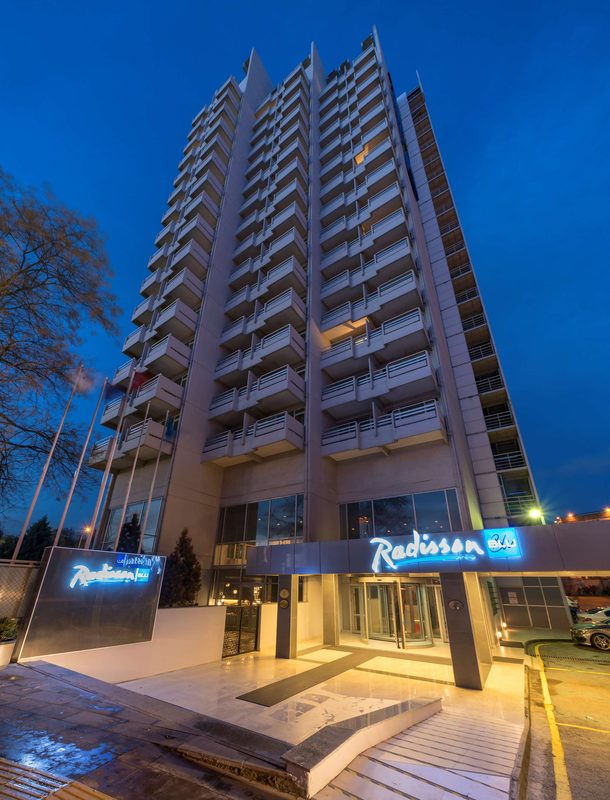
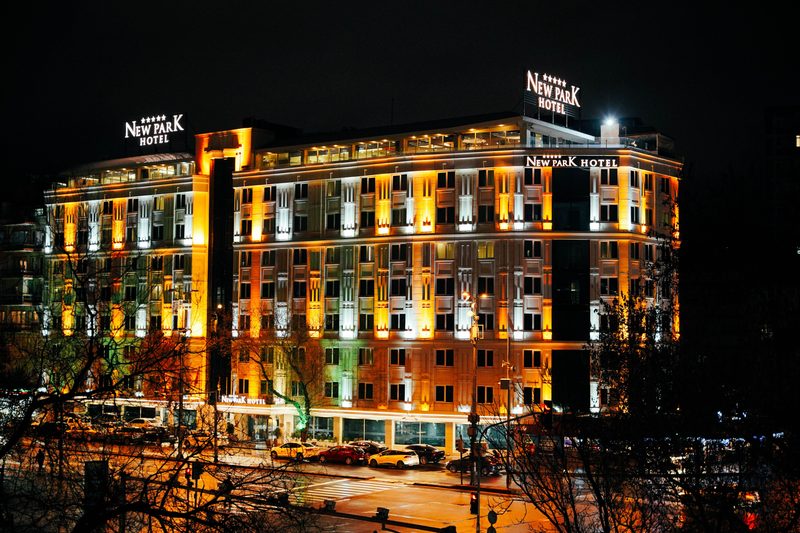
Where to Stay in Ankara in March
Hand-picked hotels across price tiers for March travellers.
Public Holidays in March
Dates that affect opening hours, transport and crowds
Ramazan Bayramı 1. Gün (Tentative Date)
Known in English as Eid al-Fitr First Day (Tentative Date). Observed nationwide as a public holiday.
Ramazan Bayramı 2. Gün (Tentative Date)
Known in English as Eid al-Fitr Second Day (Tentative Date). Observed nationwide as a public holiday.
Ramazan Bayramı 3. Gün (Tentative Date)
Known in English as Eid al-Fitr Third Day (Tentative Date). Observed nationwide as a public holiday.
Packing Checklist
Bookmark this page — your progress is saved between visits
Need the full list with shopping links?
Climate-specific gear, brand recommendations, and what to leave at home.
View Ankara Packing List →Essential Tips
Insider knowledge and common pitfalls to avoid
Insider Knowledge
Locals celebrate the shifting season at Atatürk Forest Farm (Atatürk Orman Çiftliği) on weekends. Follow them. Air smells of pine and woodsmoke from picnic grills. Buy fresh cheese, cream, and sausage from the farm's own dairy and butchery.
The best photography light in the old quarter around the Citadel hits late afternoon, around 4 pm. Low, golden light paints honey-colored stone walls of Ottoman houses deep amber. Shadows turn dramatic.
Spot a street vendor selling çıtır simit, a thinner, crispier version of the classic sesame bread ring, from a cart. Grab one. It's seasonal and local to Ankara. Eat it warm while walking.
For a local evening, skip obvious restaurants. Find an ocakbaşı in Kızılay or Bahçelievler. Atmosphere is warm and smoky from the grill. Sound is a convivial roar. Smell of cooking lamb fat is irresistible. Point to what looks good. Rarely a menu.
Avoid These Mistakes
Don't underestimate temperature swings. Assuming a 53°F (12°C) high means mild weather is a classic error. That's the peak, often short-lived. Mornings and evenings run much colder.
Avoid packing too many outdoor activities back-to-back. Weather is unreliable. Build your day around one major outdoor sight, like the Citadel. Keep a major indoor backup, like a museum, ready to go.
Don't expect nightlife on outdoor terraces. Ankara's March nightlife happens indoors. Think cozy pubs, meyhanes, and jazz clubs. Dress for a night inside. Skip the al fresco cocktails.
Short on time? See day trips around Ankara on GetYourGuide.
Ready to plan your trip to Ankara?
Now that you've got the research covered, here's where to go next.
Explore More Activities in Ankara
Didn't see anything interesting yet?
Browse Viator's full catalog of tours, day trips, food experiences, and private guides in Ankara.
See All Ankara Tours on Viator